
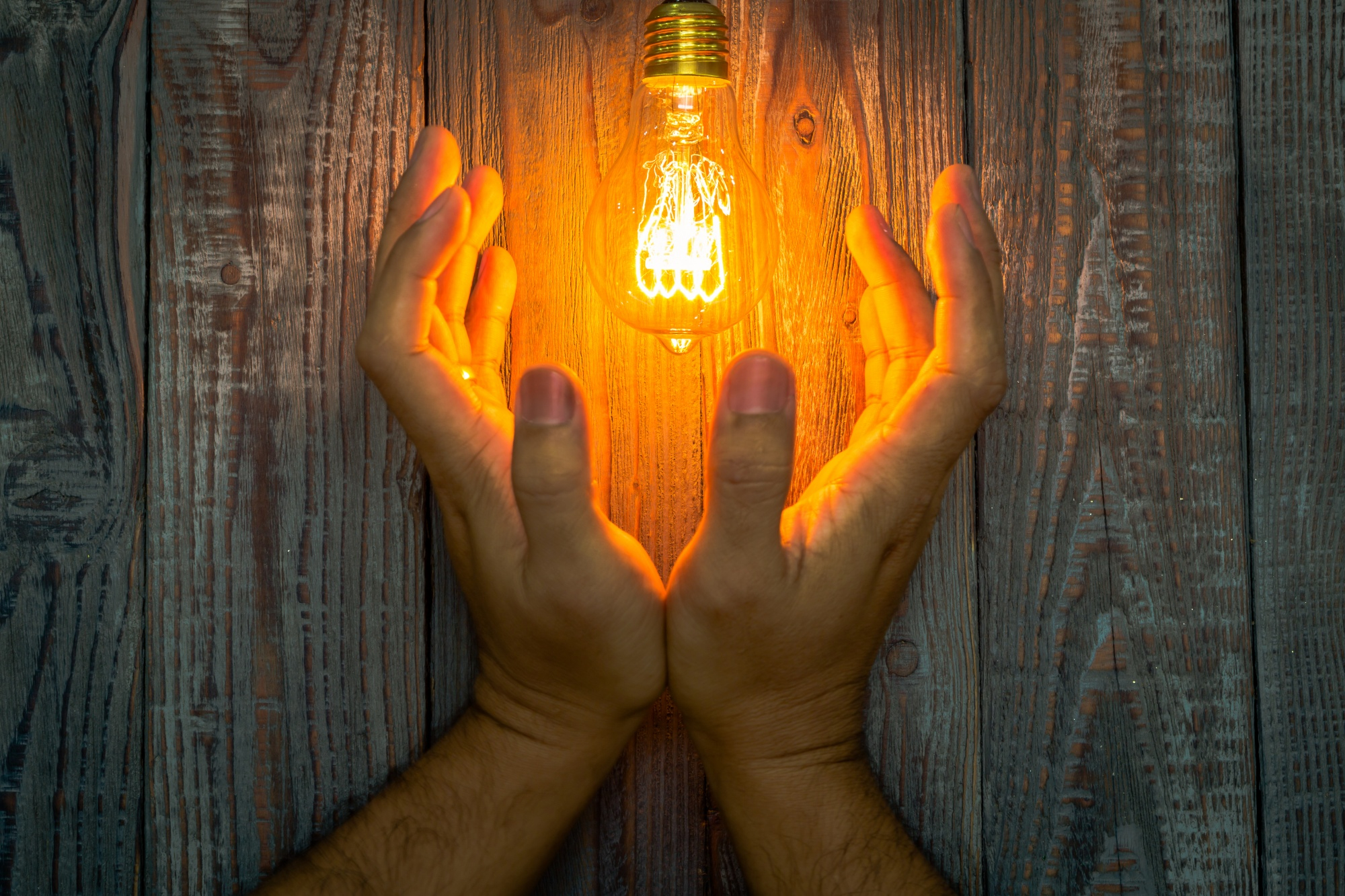
In our increasingly digital world, everything from smartphones to smart refrigerators runs on electricity. But how often do we stop to think about the power all of these devices are consuming?
Power consumption isn’t just a techy buzzword—it’s a critical concept that affects your wallet, your environment, and the planet’s future. Let’s break it down and explore what it means, why it matters, and how you can make smarter energy choices.
⚡ What is Power Consumption?
At its core, power consumption is the amount of electrical energy a device uses over time. It’s measured in watts (W) or kilowatt-hours (kWh).
-
A watt (W) measures the rate at which energy is used.
-
A kilowatt-hour (kWh) is how much energy you use if a 1,000-watt appliance runs for one hour.
For example, a 100-watt light bulb running for 10 hours will use:
100 watts × 10 hours = 1,000 watt-hours = 1 kWh
💸 Why Power Consumption Matters
1. Your Electricity Bill
Every kilowatt-hour adds up on your utility bill. If you’re running high-powered devices or leaving electronics plugged in unnecessarily, you’re literally burning money.
2. Environmental Impact
Most of the world’s electricity still comes from burning fossil fuels, which releases carbon dioxide and contributes to climate change. Lowering your power usage = lowering your carbon footprint.
3. Grid Load & Blackouts
High power demand, especially during hot summers or cold winters, puts stress on the electrical grid. Reducing individual consumption can help prevent blackouts.
🔌 What Uses the Most Power in Your Home?
Here’s a quick snapshot of common household energy hogs:
| Appliance/Device | Average Power Usage | Notes |
|---|---|---|
| HVAC Systems | 1,000–5,000 W | Biggest household energy consumer |
| Water Heaters | 3,000–4,500 W | Consider using a timer or tankless system |
| Refrigerators | 100–800 W | Runs 24/7, so efficiency matters |
| Electric Ovens | 2,000–5,000 W | Use microwave or air fryer when possible |
| Desktop Computers | 100–300 W | Laptops use much less |
| LED Light Bulbs | 5–15 W | Efficient and long-lasting |
| TVs | 80–400 W | Size and type matter (OLED vs. LED) |
🧠 Smart Ways to Reduce Power Consumption
✅ Switch to LED Lighting
LEDs use up to 80% less energy than incandescent bulbs and last 25 times longer.
✅ Unplug Idle Electronics
Even when turned off, devices like TVs and chargers draw phantom power. Use power strips to disconnect multiple devices at once.
✅ Upgrade to Energy-Efficient Appliances
Look for the ENERGY STAR label when buying new appliances. They’re designed to use less power without sacrificing performance.
✅ Use Smart Thermostats
A smart thermostat can optimize your heating and cooling schedule, saving energy when you’re not home.
✅ Wash with Cold Water
About 90% of the energy used by washing machines goes toward heating the water. Cold washes = cleaner clothes and a cleaner planet.
🌍 Power Down to Power Forward
Power consumption is more than just numbers on your electric bill—it’s a reflection of our collective impact on the planet. The good news? You have more control than you think. By making small changes in your daily habits and investing in energy-efficient technology, you can reduce your consumption, save money, and contribute to a more sustainable future.
Remember: less power, more impact.